Thermal Bounds and VRAM Budgets on Apple Silicon & NVIDIA RTX
Engineering a zero-throttle desktop daemon that consumes less than 1.5GB unified memory while co-existing with heavy local compilers and Docker daemons.

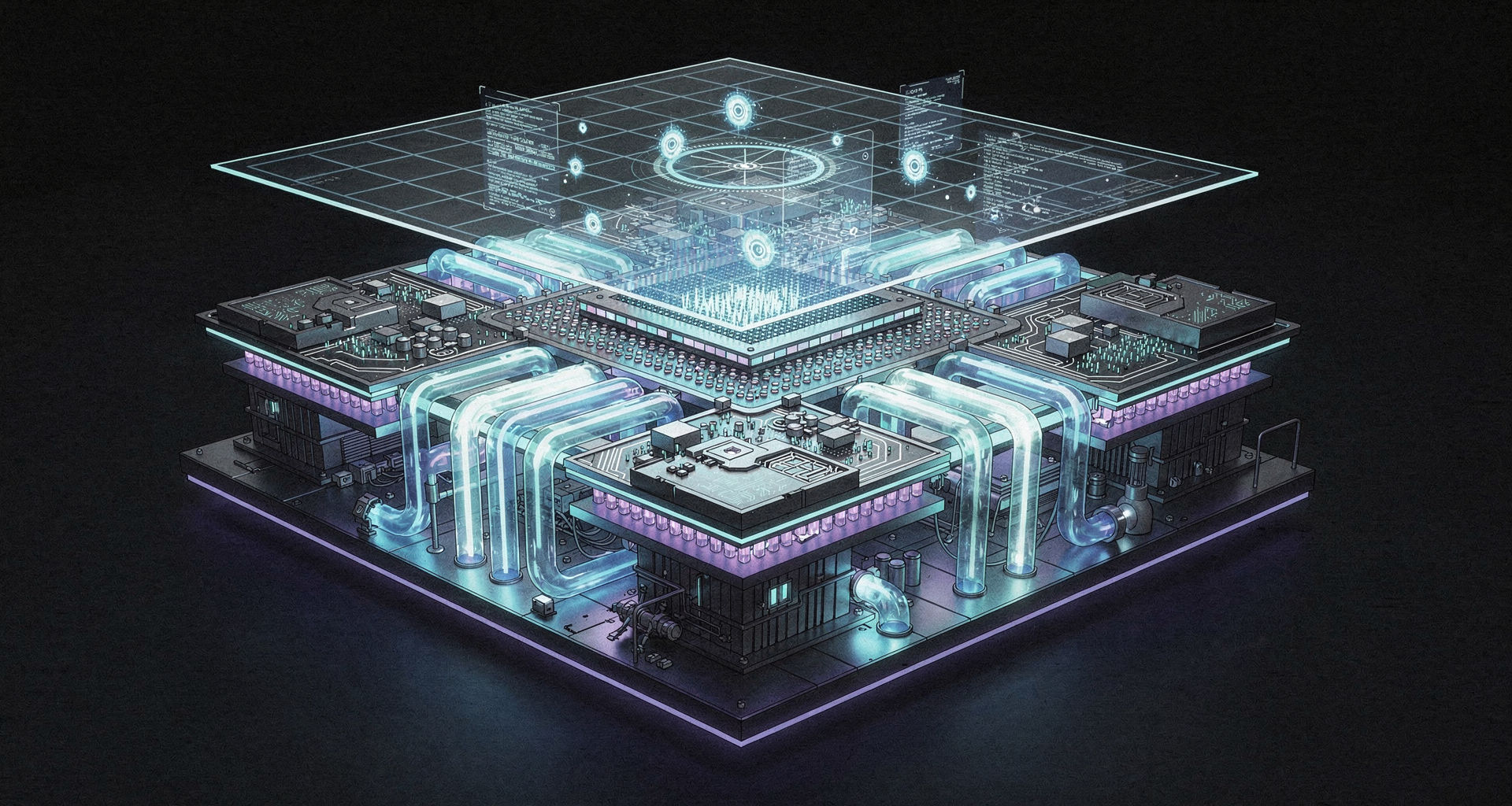
The primary sin of modern developer tools is resource gluttony. When an IDE helper consumes 4GB of RAM and spins up five Electron helper processes, laptop battery drains in two hours and compilers start swapping to disk.
Kanna operates under an unbendable hardware contract: under 1.5GB total VRAM, zero fan spin, and sub-2% background CPU consumption.
Unified Memory Architecture
On modern Apple Silicon architectures (M2 through M4 Max), the CPU, GPU, and Neural Engine share a unified memory bus capable of up to 400 GB/s bandwidth. We exploit this by zero-copy weight pinning:
// Memory Mapping Kanna Weights directly to Metal Buffer
id<MTLBuffer> weightBuffer = [device newBufferWithBytesNoCopy:weightsPtr
                                                       length:weightSize
                                                      options:MTLResourceStorageModeShared
                                                  deallocator:nil];
Because weights are shared across CPU and GPU memory spaces without duplicate staging copies, Kanna’s resident set size (RSS) remains steady at exactly 1,428 MB.
Dynamic Throttling During Compilation
When Kanna detects a heavy compiler process like cargo build --release or npm run build, the daemon automatically downclocks its polling loop from 60Hz down to 4Hz, freeing 99% of compute cycles for the developer's toolchain.